Skip to the content
Skip to content
Skip to the content
Skip to content Home / Blog
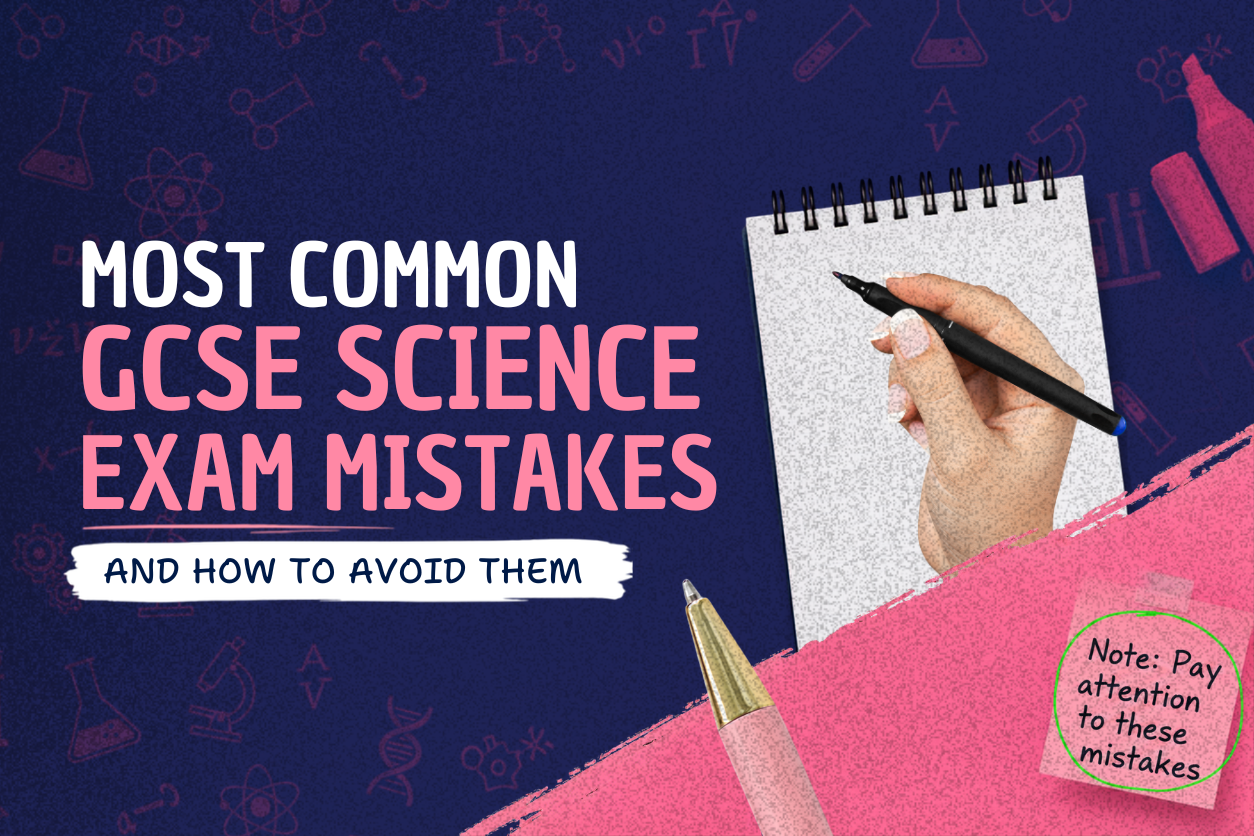
The most common GCSE Science exam mistakes are misreading command words, running out of time, skipping units and working, weak recall from cramming instead of spaced revision, ignoring past papers, and misunderstanding required practicals. Each of these is fixable with the right technique, structured practice, and — for many students — support from a qualified GCSE Science tutor UK who can spot and correct these habits early.
GCSE Science trips up more students than almost any other subject, not because the content is too hard, but because of small, repeated exam habits that quietly cost marks. Combined Science and the separate sciences (Biology, Chemistry, Physics) reward precision: exact wording, correct units, clear working, and a firm grasp of practical skills. Miss any of these and even a student who understands the topic can lose grades.
This guide breaks down the mistakes examiners see most often, why they happen, and exactly how to fix them — whether you’re revising independently or getting extra GCSE Science help UK through tuition.
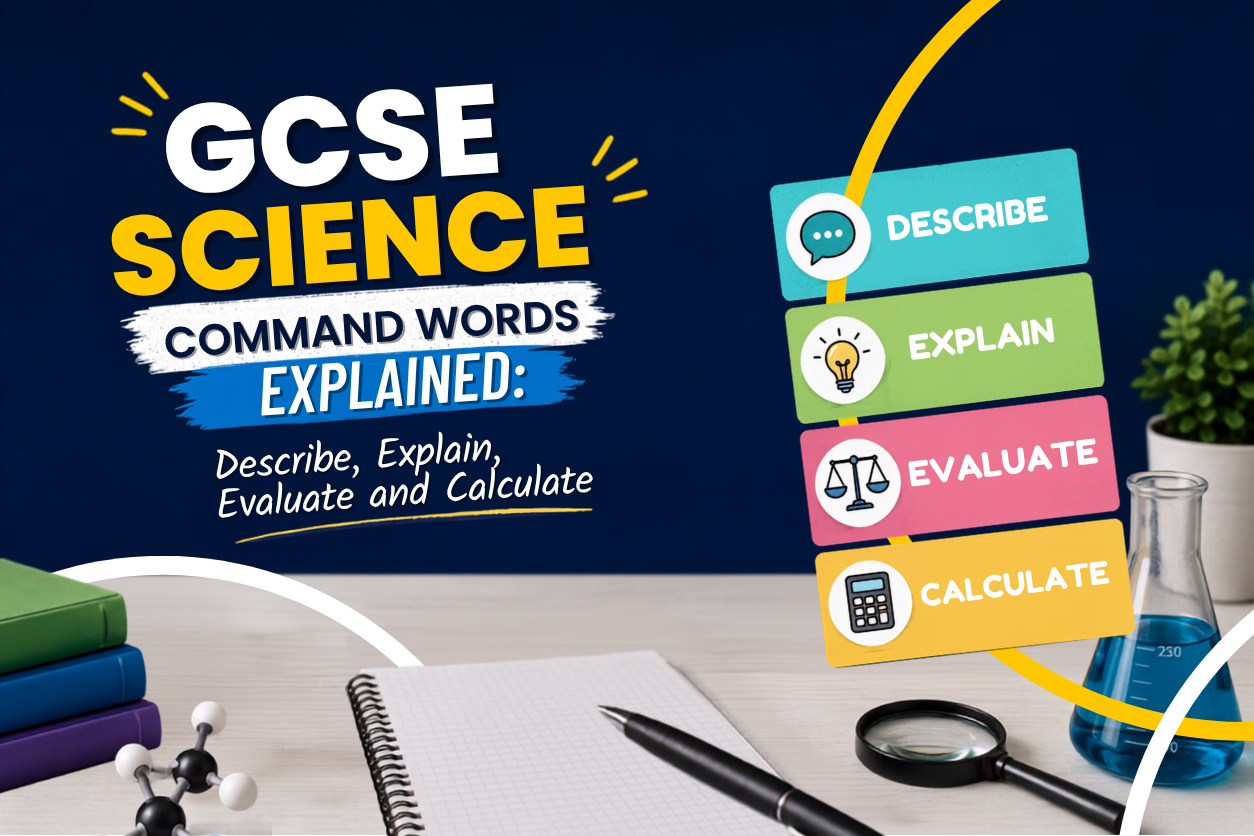
Command words like “describe,” “explain,” “evaluate,” and “compare” tell you exactly what kind of answer is expected. Students frequently write a description when the question asks for an explanation, or list facts when asked to evaluate — and lose marks even when their science knowledge is correct.
This is one of the easiest wins in any GCSE Science revision course UK, because it costs nothing to fix — it’s purely about training exam habits rather than learning new content.
Many students spend too long on early questions and then rush the final, higher-mark questions — often the six-mark extended response questions worth significant marks. Others do the opposite: panic on a hard question early on and lose confidence for the rest of the paper.
Structured GCSE Science classes UK and revision courses often build timed past-paper practice directly into their sessions, which is one reason students in guided programmes tend to manage the clock more confidently than those revising alone.
In Physics and Chemistry calculations especially, students lose method marks by writing only a final answer, skipping units, or rounding incorrectly. Examiners award marks for correct working even if the final number is wrong — but only if that working is actually written down.
This is a frequent focus in one-to-one GCSE Science coaching UK, since a tutor can quickly spot which step a student consistently skips and correct the habit before it costs marks in the real exam.
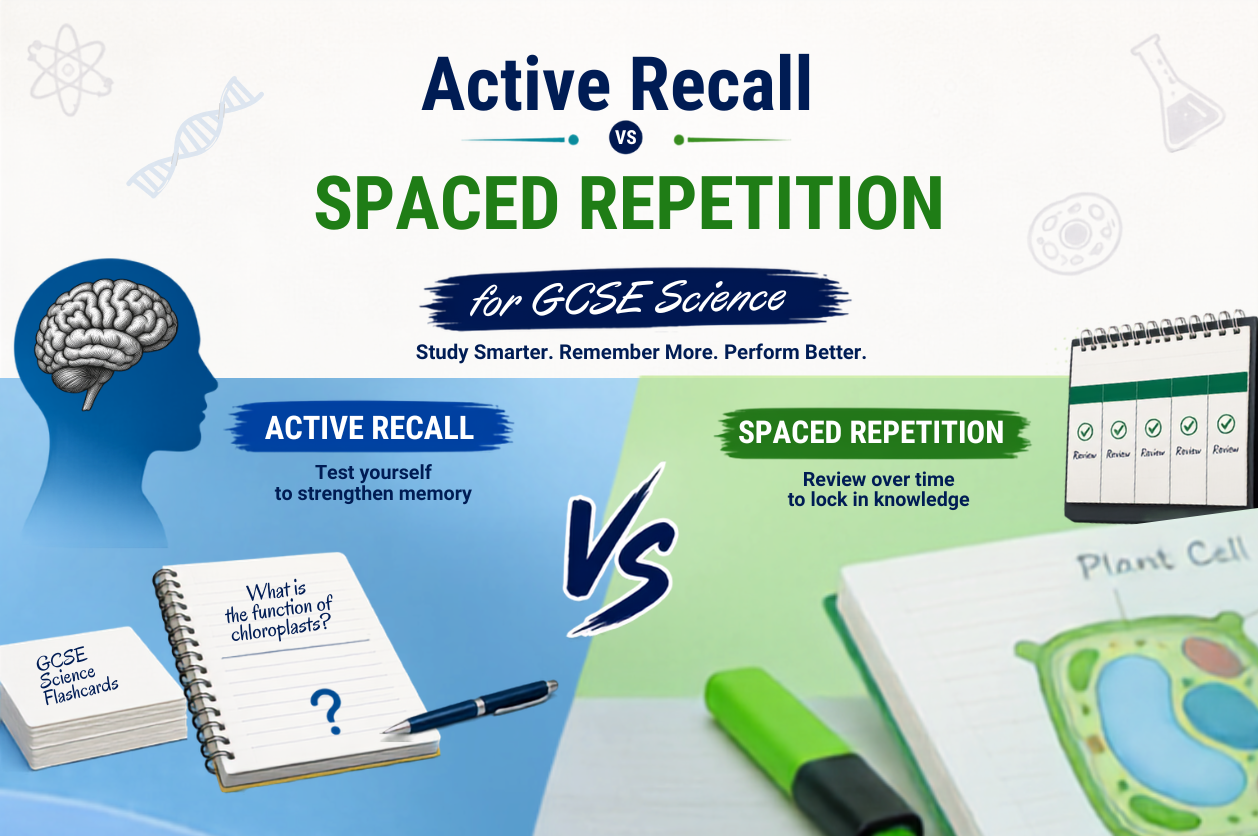
Rereading notes or highlighting textbooks feels productive but creates weak, short-term memory. Many students realise too late that they can recognise a fact but can’t recall or apply it under exam pressure — a classic sign of passive revision.
This is exactly where a well-structured GCSE Science revision UK plan makes the biggest difference — it turns vague “I should revise more” intentions into a specific, trackable schedule.
Some students focus entirely on rereading content and specification points without testing themselves under real exam conditions. Past papers reveal exactly how questions are phrased, which topics come up repeatedly, and where a student’s specific weak spots are — information no textbook can give you.
Many students only discover their real gaps once they start timed past-paper practice, which is why exam-focused GCSE Science exam support UK often centres almost entirely around past paper analysis in the final months before exams.
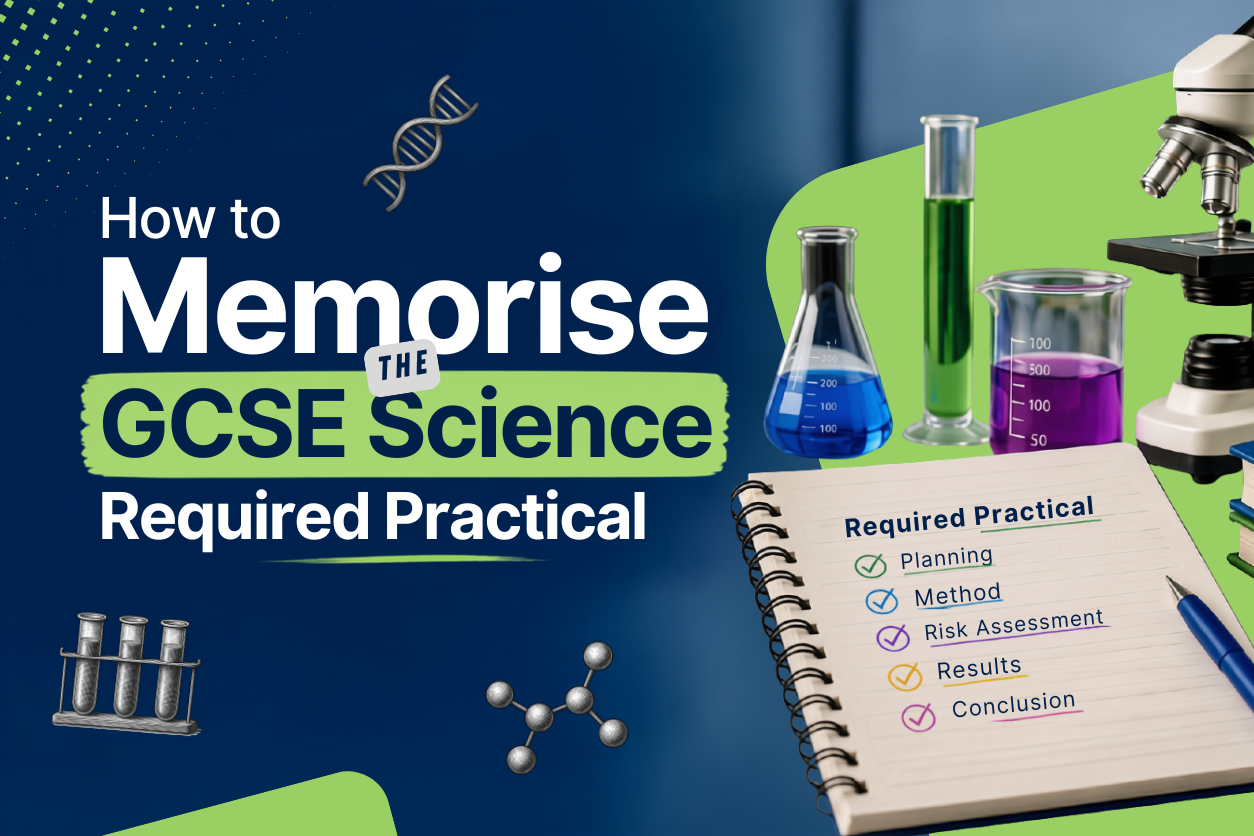
Required practicals are a guaranteed source of exam questions, yet many students only remember the results of practicals rather than the method, variables, and reasoning behind them. Questions often ask students to identify the independent, dependent, and control variables, or to explain a source of error — areas frequently answered vaguely.
Most of these mistakes aren’t about ability — they’re about exam technique, habits, and structure, which is exactly what personalised support is designed to fix. A dedicated GCSE Science tutor UK can identify a student’s specific recurring errors (a missed unit, a misread command word, a rushed six-mark answer) far faster than self-study alone, because they’re reviewing the student’s actual answers rather than general content.
Online GCSE Science tutoring UK has made this kind of personalised feedback far more accessible, letting students get regular, focused sessions without needing an in-person tutor nearby. Whether through weekly GCSE Science tuition UK, a short-term intensive revision course, or exam-season coaching, the goal is the same: turn exam technique into a strength rather than a weak point.
If you’re looking for the best GCSE Science tutor UK, focus on a few key things:
The single biggest mistake is misreading command words, since answering "describe" as if it were "explain" (or vice versa) loses marks even when the underlying science knowledge is correct. Careful reading of the question, built through past paper practice, fixes this quickly.
Use the mark allocation to pace yourself, roughly a minute per mark, and practise full past papers under timed conditions rather than only reviewing content. This builds a realistic sense of how long each question type should take before exam day.
Yes. Exam boards award marks for correct units and working, not just the final number, so leaving units off a calculation answer can cost marks even when the maths is right.
No. Cramming creates short-term recognition rather than genuine recall, which tends to fail under exam pressure. Spaced, active revision — using flashcards, quizzing, and past papers over several weeks — produces far more reliable results.
Yes — a clear bullet-point plan with 4–6 labelled points can still gain Level 2 marks even if you don't finish full sentences, because examiners can follow your reasoning.
There's no fixed number, but most students benefit from working through every past paper available for their exam board (AQA, Edexcel, or OCR), marking each one against the official scheme and revisiting any topic where the same mistake keeps appearing.
For many students, yes — a GCSE Science tutor UK can quickly identify personal, recurring mistakes in a student's own answers that are hard to spot through self-study alone, and target revision time far more precisely in the weeks before exams.
Most GCSE Science exam mistakes come down to technique, not intelligence: misreading command words, mismanaging time, skipping units, cramming instead of practising recall, avoiding past papers, and glossing over required practicals. Each one is fixable with focused practice — and for students who want faster, more targeted progress, structured GCSE Science help UK, whether through a tutor, a revision course, or regular coaching, can turn these common pitfalls into some of the easiest marks to gain.
GCSE Sciences can assist you in advancing your academic knowledge and increasing your understanding of core concepts through our practical approach based courses.
Subcribe to notifications to get news
2026 © Copyrights Gscesciences All Right Recived
Know a friend who’s tackling GCSE or A-level Biology, Chemistry or Physics? Refer them to GCSE Sciences and you’ll both get *£10 off* of tuition once they join.
WhatsApp us
 Optimized by Seraphinite Accelerator