Skip to the content
Skip to content
Skip to the content
Skip to content Home / Blog
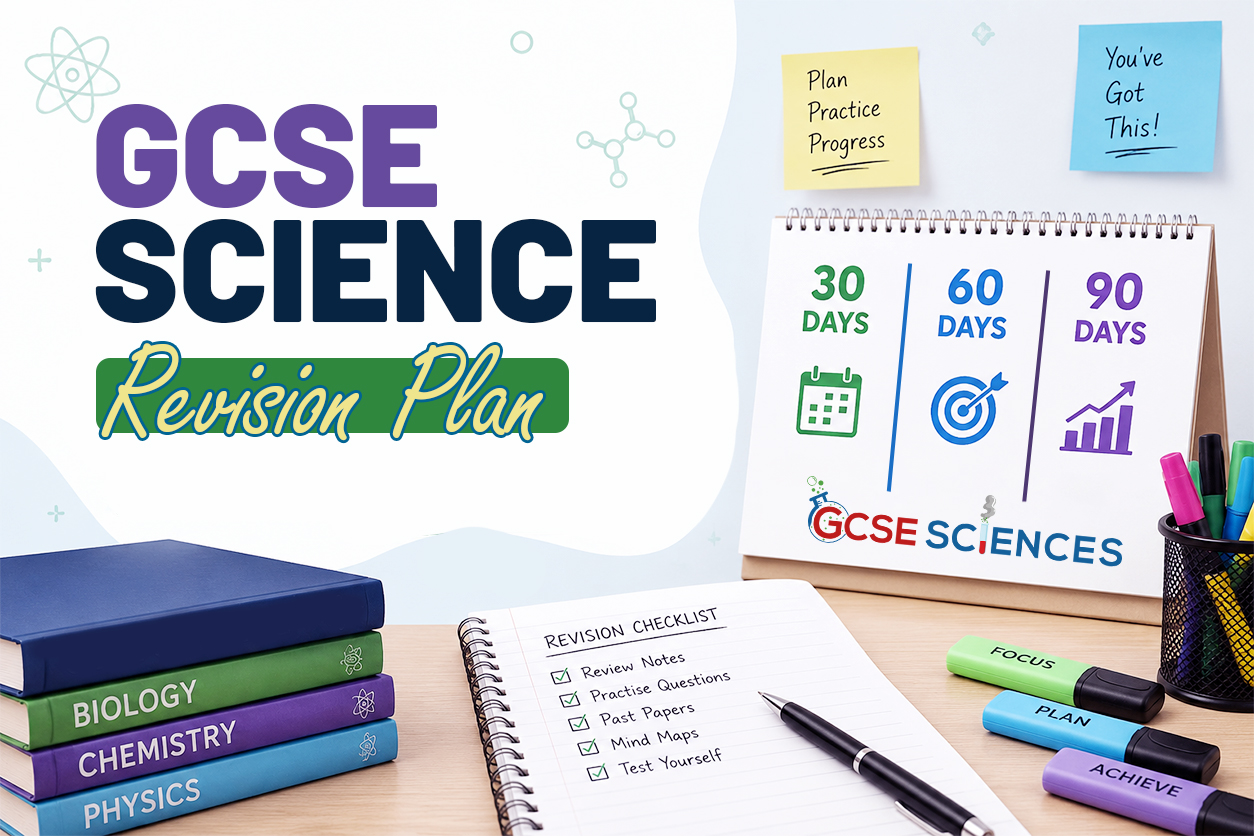
Preparing for GCSE Science exams can feel overwhelming, especially when balancing Biology, Chemistry, and Physics revision alongside schoolwork and mock exams. Many students across the UK struggle not because they lack ability, but because they do not have a clear GCSE science revision plan UK that helps them revise efficiently.
The good news is that successful revision is less about studying for endless hours and more about following a structured strategy. Whether you have 30, 60, or 90 days before your exams, creating the right GCSE science revision timetable UK can improve confidence, reduce stress, and help you achieve higher grades.
This guide explains the best way to revise GCSE science, how to organise your study time, and how to create an effective GCSE science exam revision plan for different timelines.
Science subjects involve a large amount of content, formulas, practical knowledge, and exam technique. Without a proper GCSE science study plan UK, many students:
A structured GCSE science revision strategy helps you:
A realistic revision schedule also gives enough time for practice papers and exam preparation.
Before creating a timetable, it is important to understand the most effective revision methods.
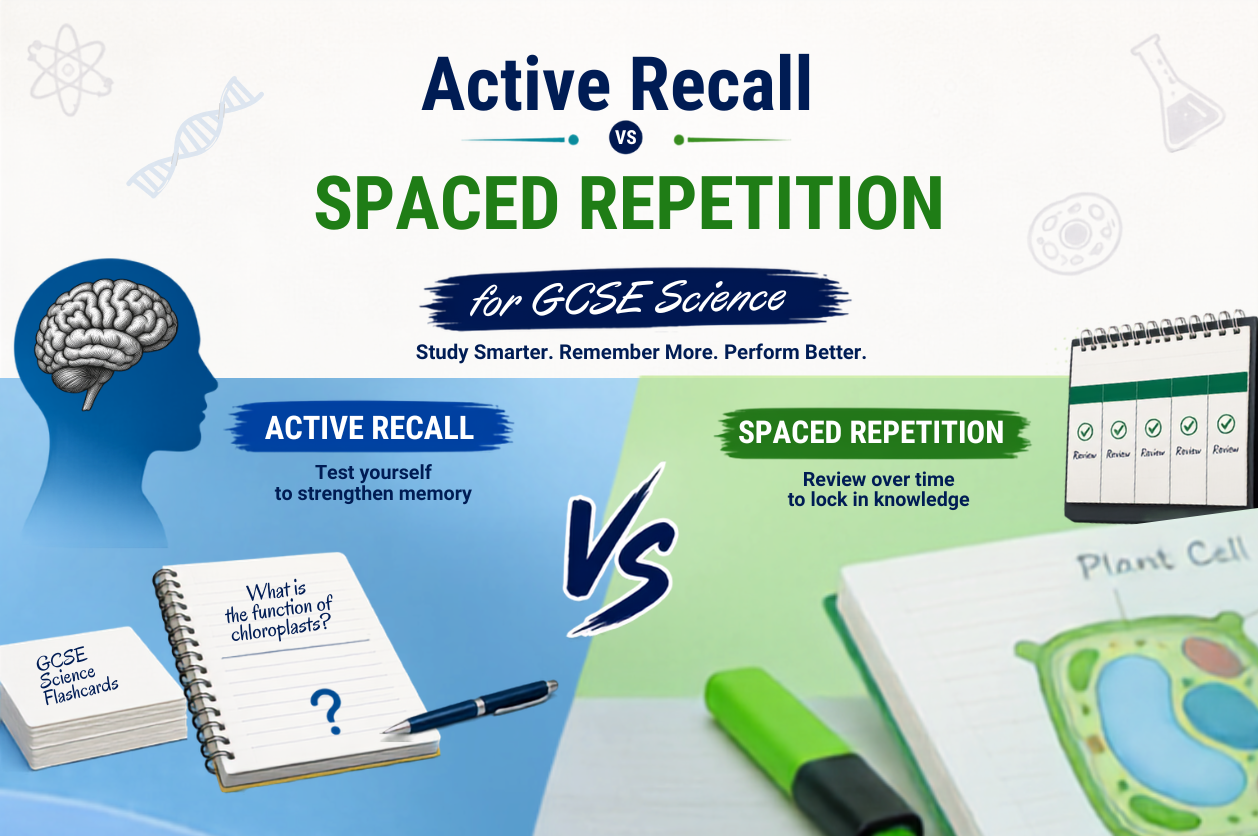
Instead of simply reading notes repeatedly, test yourself regularly. Use:
This improves long-term memory far more effectively than passive reading.
Revisit topics multiple times over several weeks rather than cramming everything in one session. Revisiting information helps strengthen memory retention.
One of the best GCSE science exam revision strategy UK methods is practising exam questions regularly. This helps students:
Do not only revise favourite subjects. Spend additional time on difficult topics such as:
Avoid revising one science for an entire day. Mixing Biology, Chemistry, and Physics helps maintain concentration and improves understanding.
An effective GCSE science revision timetable UK should be:
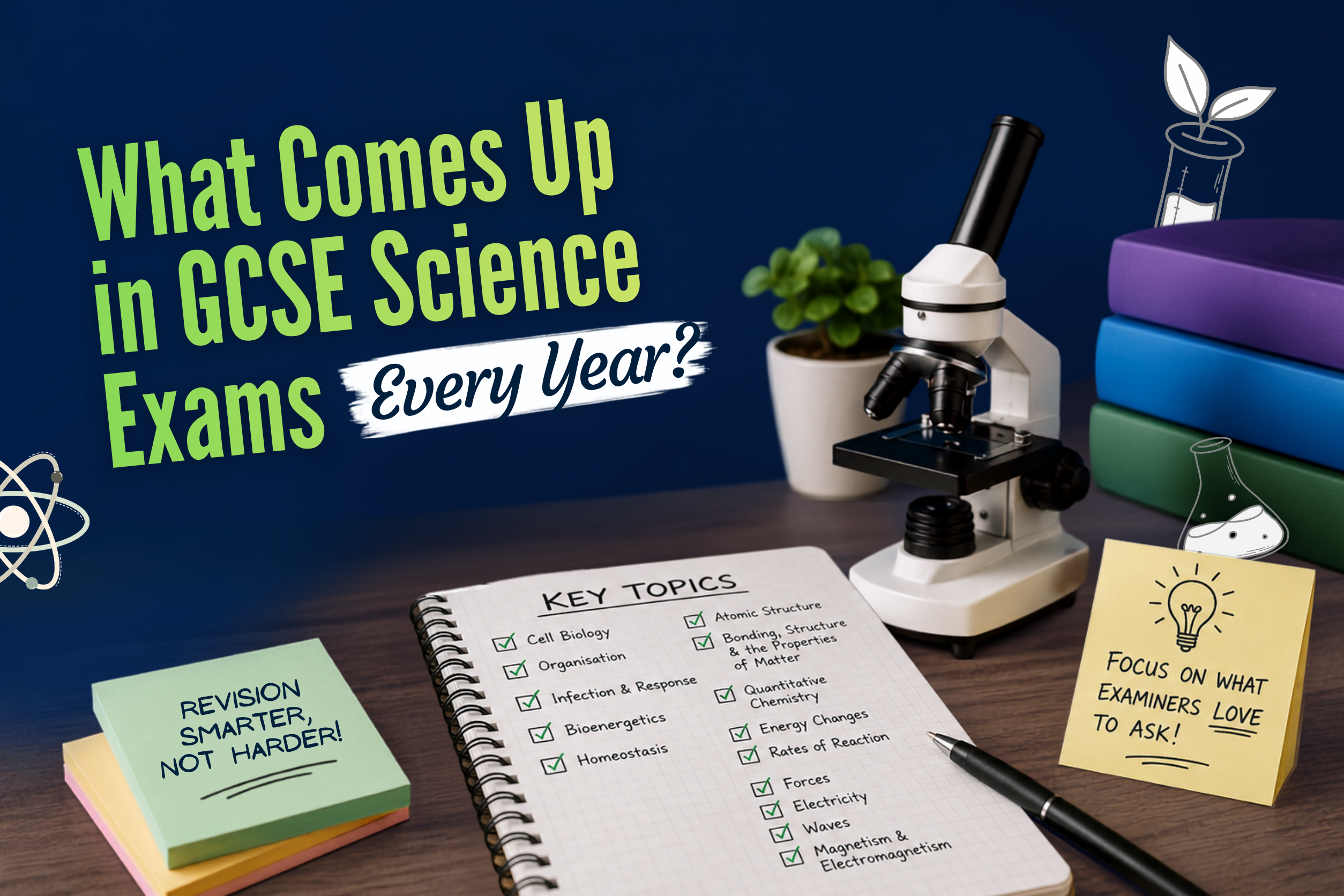
Create a GCSE science revision topics checklist including:
Rate each topic:
Spend more revision time on weaker areas.
Aim for:
Past papers should become more frequent closer to exam season.
A 90-day plan is ideal because it allows students to revise gradually without excessive pressure.
Focus on:
At this stage, students should aim to complete a full GCSE biology chemistry physics revision plan.
Begin:
This is where the GCSE science revision strategy becomes more exam-focused.
The final month should focus heavily on:
A structured GCSE science revision in 90 days plan helps students cover the full syllabus without rushing.
If exams are closer, students need a more intensive GCSE science revision in 60 days approach.
A GCSE science revision in 30 days strategy is more intense and requires strict organisation.
At this stage:
Students should avoid spending too much time rewriting notes. Active revision methods become essential when time is limited.
A proper GCSE science revision topics checklist helps ensure no subject areas are missed.
Also include:
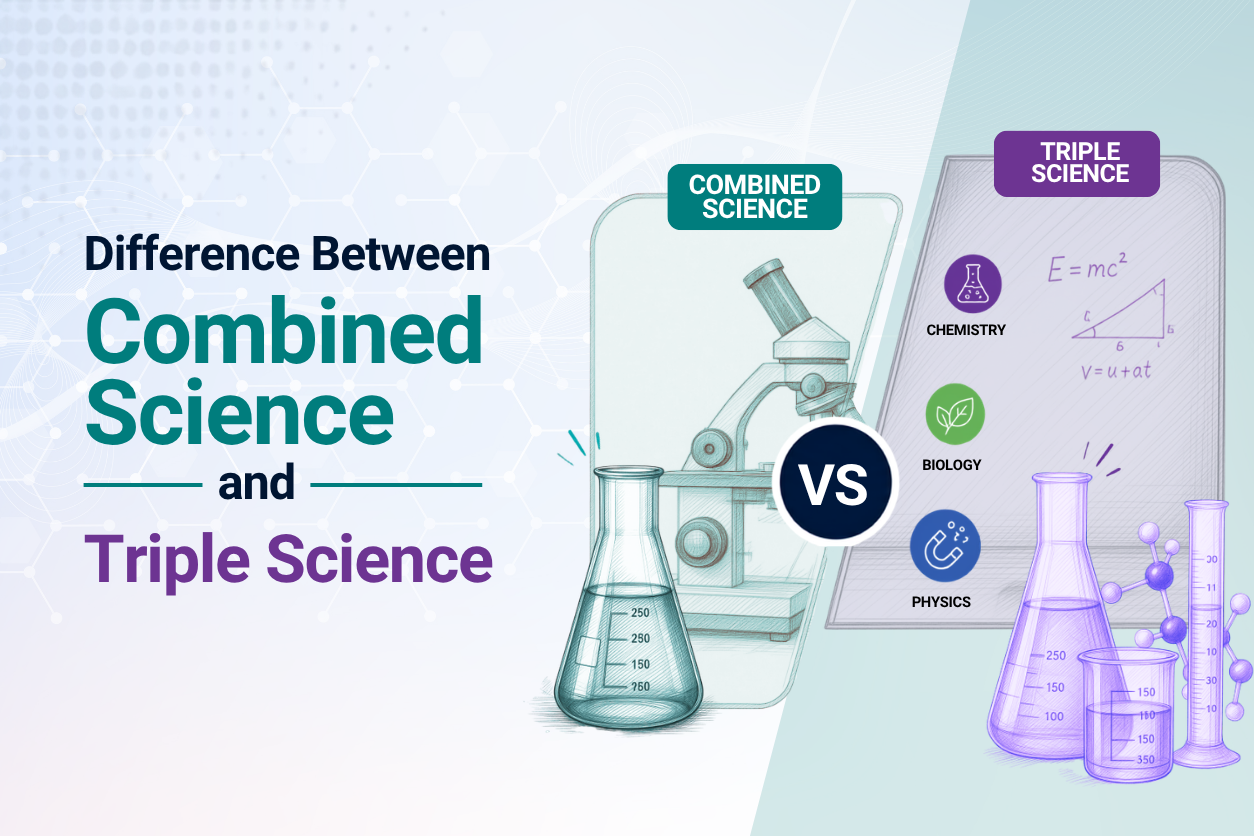
Students studying GCSE combined science revision UK courses should:
Combined Science students sometimes underestimate content volume, so consistent revision is important.
Leaving revision until the final weeks creates unnecessary stress and reduces retention.
Many students revise content but never practise exam-style questions.
Reading notes repeatedly is less effective than testing yourself.
Without a GCSE science revision schedule, revision often becomes inconsistent.
Overloading the brain reduces productivity. Short breaks improve focus.
Creating a structured GCSE science revision plan UK can make revision far more manageable and effective. Whether you are following a GCSE science revision in 30 days, GCSE science revision in 60 days, or GCSE science revision in 90 days strategy, consistency matters more than perfection.
The best way to revise GCSE science is through active learning, regular practice papers, and realistic scheduling. Students who organise their revision early often feel more confident, less stressed, and better prepared when exam season arrives.
A balanced GCSE science exam preparation UK approach allows students to improve understanding across Biology, Chemistry, and Physics while developing strong exam technique.
With the right GCSE science revision guide UK and a practical revision timetable, achieving strong GCSE Science results becomes far more achievable.

GCSE Sciences can assist you in advancing your academic knowledge and increasing your understanding of core concepts through our practical approach based courses.
Subcribe to notifications to get news
2026 © Copyrights Gscesciences All Right Recived
Know a friend who’s tackling GCSE or A-level Biology, Chemistry or Physics? Refer them to GCSE Sciences and you’ll both get *£10 off* of tuition once they join.
WhatsApp us
 Optimized by Seraphinite Accelerator