Home / Blog
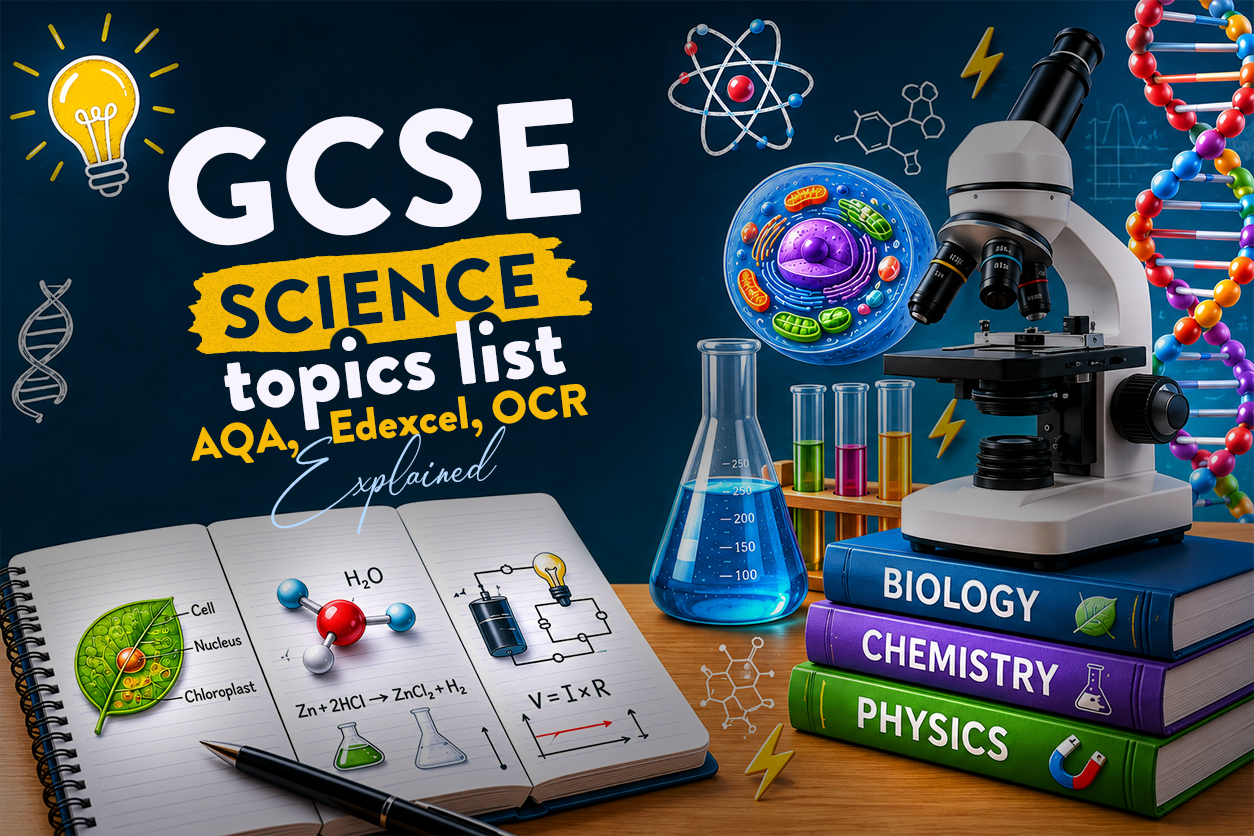
GCSE Science is one of the most important subjects for students across the UK. Whether you are studying for Combined Science or Triple Science, understanding the full GCSE science topics list can make revision easier and improve exam performance.
Many students and parents often search for terms like “GCSE science topics list UK”, “GCSE science syllabus UK”, and “GCSE science topics explained” to better understand what is covered by major exam boards such as AQA, Edexcel, and OCR.
This guide explains the GCSE science curriculum UK students follow, including Biology, Chemistry, and Physics topics, differences between exam boards, and useful revision advice.
The GCSE science subjects explained in UK schools are usually divided into:
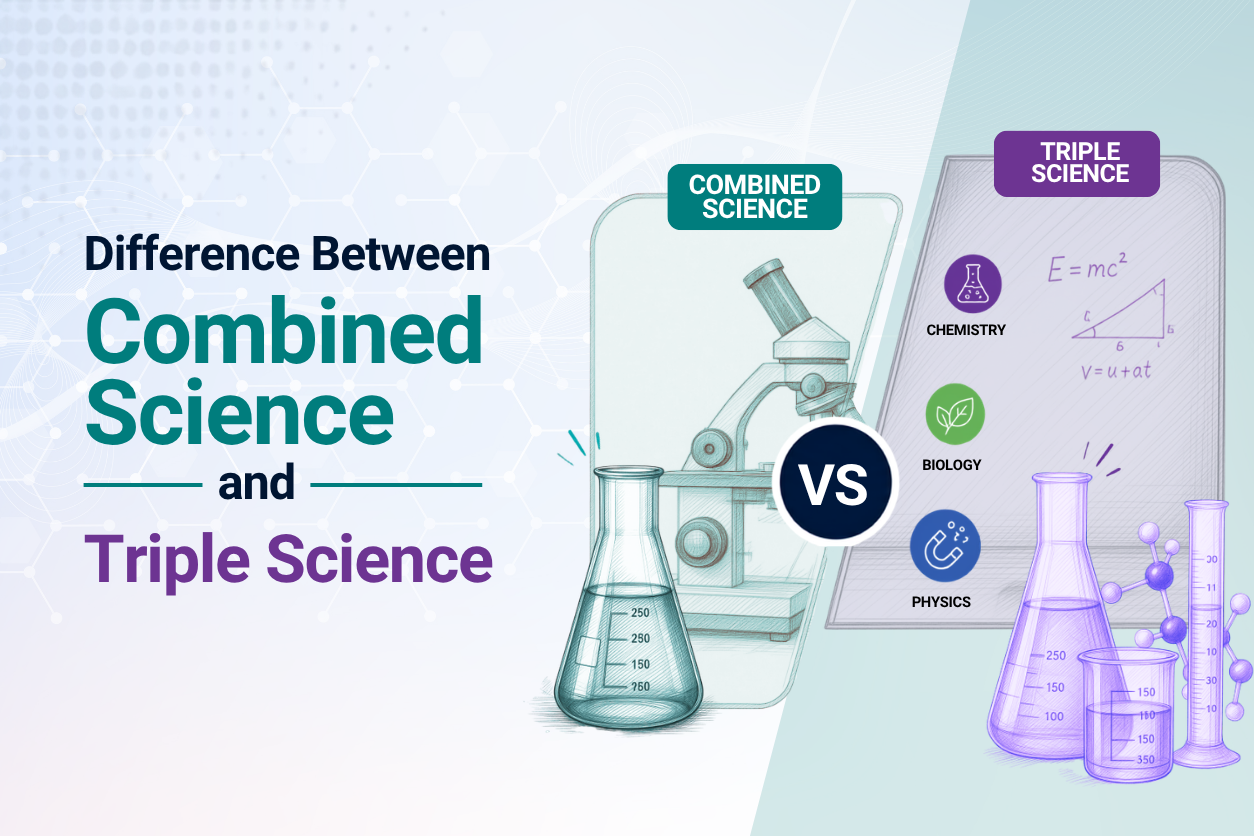
Students can study:
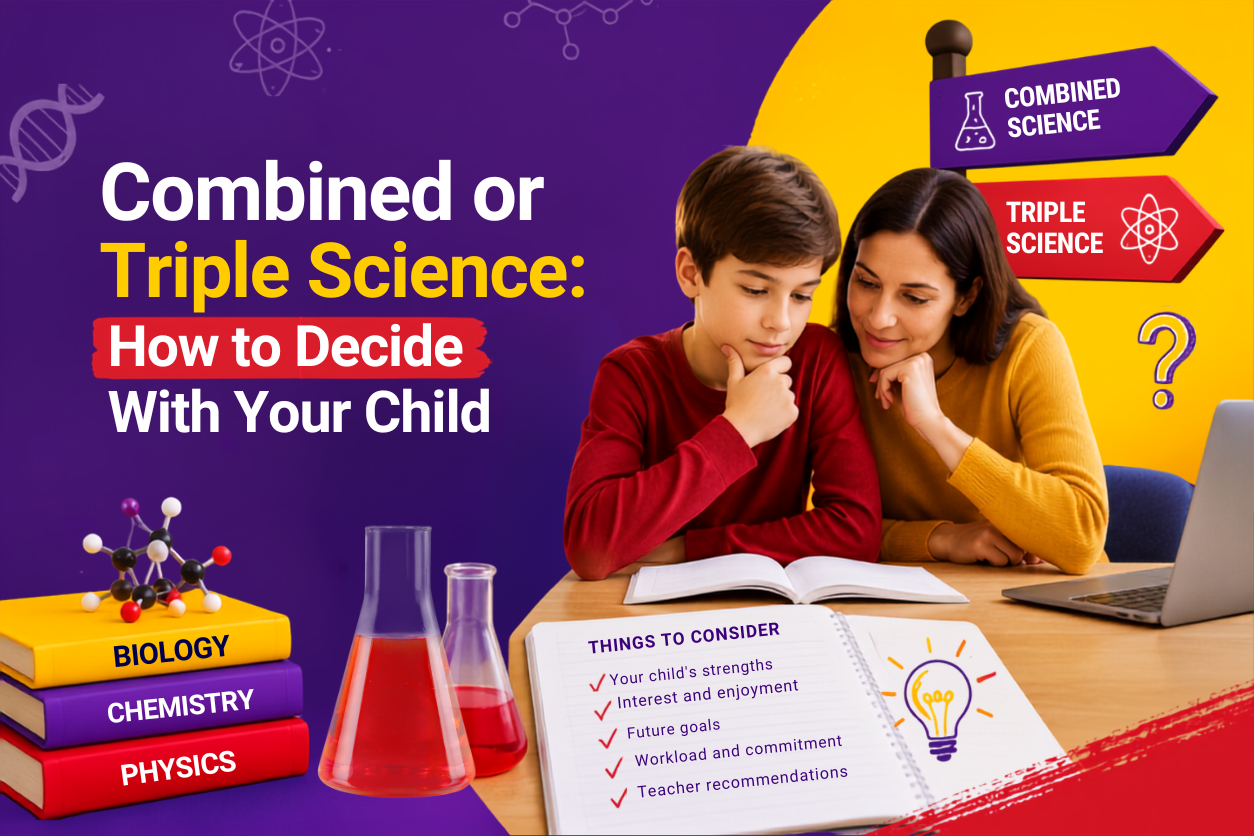
The GCSE combined science topics UK students study are slightly less detailed than Triple Science but still cover all core scientific concepts.
The three main GCSE science exam boards in the UK are:
Each board follows the national GCSE science curriculum UK schools use, but the teaching style, question formats, and topic organisation can differ slightly.
The GCSE biology topics list UK students study under AQA includes:
AQA is popular because many students find the questions straightforward and revision-friendly.
The GCSE chemistry topics list UK students revise includes:
The GCSE physics topics list UK students learn includes:
Edexcel follows a similar structure but often uses more practical and application-based questions.
The Edexcel combined science syllabus includes:
Students often search for:
because revision techniques can vary between boards.
OCR offers two science pathways:
Topics include:
This specification focuses more on:
Students frequently search for OCR gateway science topics and OCR twenty first century science topics when preparing revision plans.
The GCSE science topics for Year 10 and Year 11 are usually divided over two academic years.
Students typically begin with:
Students then move into:
Having a GCSE science revision checklist helps students stay organised.
Many students feel overwhelmed when starting science revision. Breaking the syllabus into smaller sections makes learning easier.
Focuses on living organisms, cells, health, genetics, and ecosystems.
Covers substances, reactions, bonding, and the environment.
Explains energy, motion, electricity, forces, and the universe.
Using a GCSE science learning guide can help students understand difficult concepts step by step.
Students often ask about the difference between AQA Edexcel and OCR science before choosing a revision course or tutor.
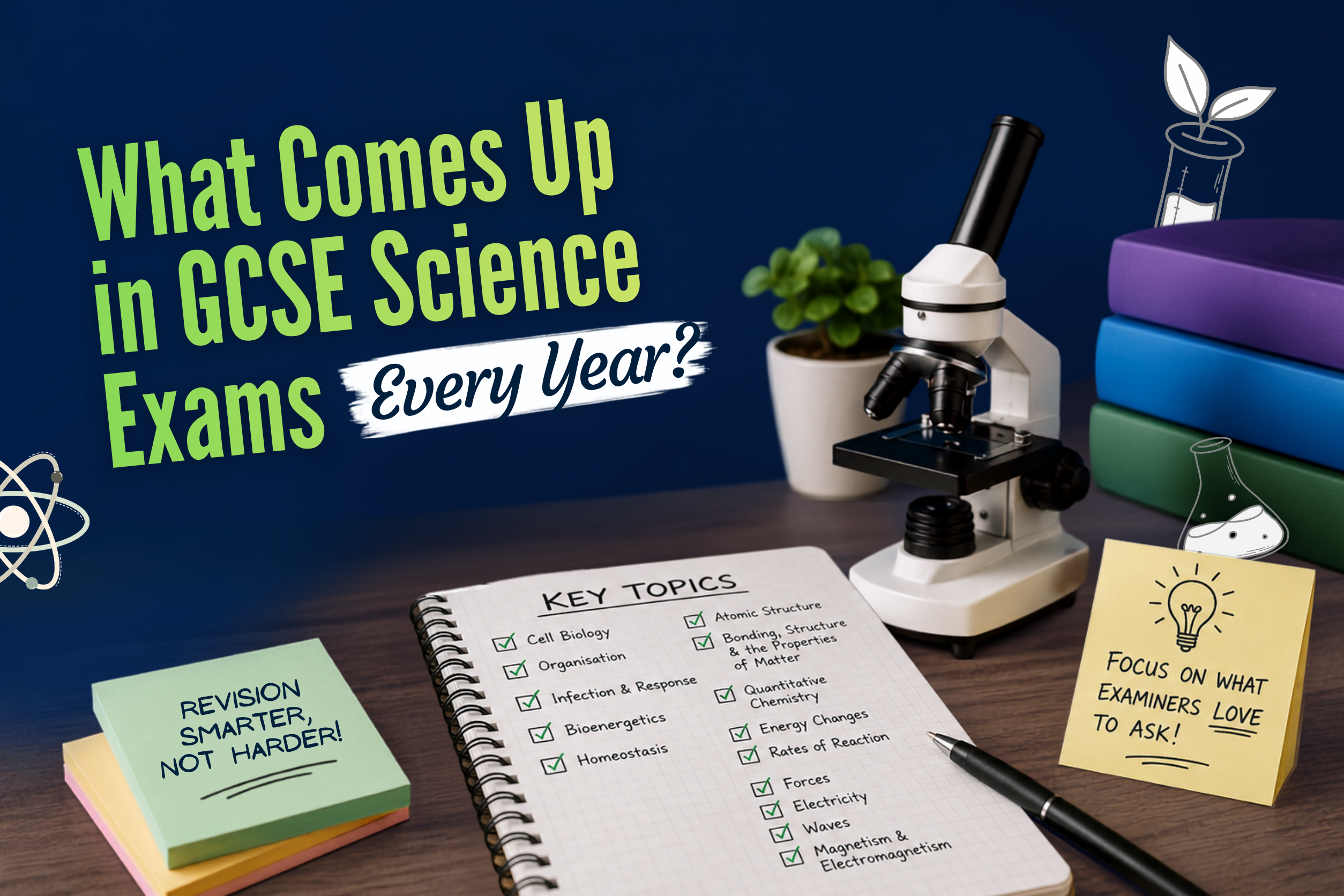
Certain topics appear regularly in exams. These are often considered the best GCSE science revision topics:
Many students search:
to improve revision efficiency.
A structured timetable helps cover the complete GCSE science topics list UK students need for exams.
Past papers improve exam technique and confidence.
Short daily revision sessions work better than long cramming sessions.
Many students use to improve grades.
Helpful revision resources include:
Students also search for:
when preparing for exams.
There is no single “best” exam board. The right choice depends on:
AQA is often considered easier for structured revision, while OCR and Edexcel may suit students who prefer analytical problem-solving.
Understanding the GCSE science syllabus UK schools follow is essential for effective revision and exam success. Whether you study AQA GCSE science topics, Edexcel GCSE science topics, or OCR GCSE science topics, the key is to build strong revision habits and focus on core concepts.
Using a GCSE science revision checklist, practising exam questions, and accessing GCSE science support for students in the UK can help improve confidence and performance in Biology, Chemistry, and Physics.
With the right preparation, students can successfully master the full GCSE science topics list and achieve excellent results.
GCSE science covers Biology, Chemistry, and Physics topics including cells, energy, electricity, bonding, genetics, forces, and ecosystems.
Many students find AQA more straightforward because of its clear structure, while Edexcel often includes more application-based questions.
OCR includes Biology, Chemistry, and Physics topics with a strong focus on practical science and real-world applications.
Combined Science includes major topics from all three sciences but with less detail than Triple Science.
The best board depends on the student’s learning style and school preference. AQA, Edexcel, and OCR are all widely respected across the UK.
GCSE Sciences can assist you in advancing your academic knowledge and increasing your understanding of core concepts through our practical approach based courses.
Subcribe to notifications to get news
2026 © Copyrights Gscesciences All Right Recived
Know a friend who’s tackling GCSE or A-level Biology, Chemistry or Physics? Refer them to GCSE Sciences and you’ll both get *£10 off* of tuition once they join.
WhatsApp us